

• Home
  • Contact
  • Site Map
George Weigel - Central PA Gardening
  • Landscape 1
  • Landscape 2
  • Landscape 3
  • Landscape 4
  • Garden Drawings
  • George's Talks & Trips
  • Patriot-News/Pennlive Posts
  • Buy Helpful Info
  • Rent a Florida Villa

Navigation

  • Ramblings and Readlings Home
  • Storage Shed (Useful Past Columns)
  • About George
  • Sign Up for George's FREE E-Column
  • Plant Profiles
    • Annuals
      • Angelonia Serena series
      • Celosia 'Fresh Look'
      • Begonia 'Bonita Shea'
      • Coleus 'Big Red Judy'
      • Rudbeckia 'Tiger Eye'
      • Dusty miller 'New Look'
      • Mecardonia Gold Dust
      • Pentas 'Butterfly' series
      • Begonia 'Gryphon'
      • Alternanthera 'Red Threads'
      • Euphorbia 'StarDust White Sparkle'
      • Angelonia Serenita series
      • Alternanthera Little Ruby
      • Sanvitalia (creeping zinnia)
      • Geranium Calliope Dark Red
      • Elephant ears Royal Hawaiian 'Black Coral'
      • Ornamental pepper 'Calico'
      • Hardy begonia
      • Begonia Big series
      • Digiplexis Illumination 'Flame'
      • Swedish ivy 'Mona Lavender'
      • Coleus 'Wasabi'
      • Moses in a cradle
      • Spider flower Senorita Rosalita
      • Coleus 'Fishnet Stockings'
      • Agapanthus
      • Begonia 'Bonfire'
      • Begonia Dragon Wing
      • Blue salvia 'Signum'
      • Browallia 'Blue Bells'
      • Calibrachoa Superbells Dreamsicle
      • Coleus 'Electric Lime'
      • Coleus 'Kong Rose'
      • Cosmos 'Cosmic Orange'
      • Euphorbia Diamond Frost
      • Heliotrope
      • Hibiscus 'Panama Red'
      • Larkspur
      • Mexican bush sage
      • Ornamental pepper 'Black Pearl'
      • Ornamental pepper 'Purple Flash'
      • Petunia Blue Wave
      • Petunia Supertunia
      • Perilla 'Magilla'
      • Persian shield
      • Phlox 'Intensia Pink'
      • Purple alyssum
      • Purple shamrock
      • Rudbeckia 'Prairie Sun'
      • Salvia 'Black and Blue'
      • Sweet Alyssum Snow Princess
      • Variegated Swedish ivy
      • Vinca Cora
      • Vinca 'Jaio Scarlet Eye'
      • Zinnia 'Profusion' series
      • Zinnia Zahara Series
    • Edibles
    • Roses
    • Bulbs/Corms/Tubers
    • Evergreens/Conifers
    • Flowering shrubs
    • Ornamental Grasses
    • Perennials
    • Trees
    • Vines
  • Timely Tips
  • George’s Handy Lists
  • George's Friends
  • Photo Galleries
  • Public Gardens Worth Seeing
  • Links and Resources
  • Support George’s Efforts


George’s “Pennsylvania Month-by-Month Gardening” helps you know when to do what in the landscape.

Read More | Order Now


Want George to help improve
your landscape?

Click Here


Need local plant information for your yard?

Click Here


Has the info here been useful? Support George’s efforts by clicking below.


Looking for other ways to support George?

Click Here

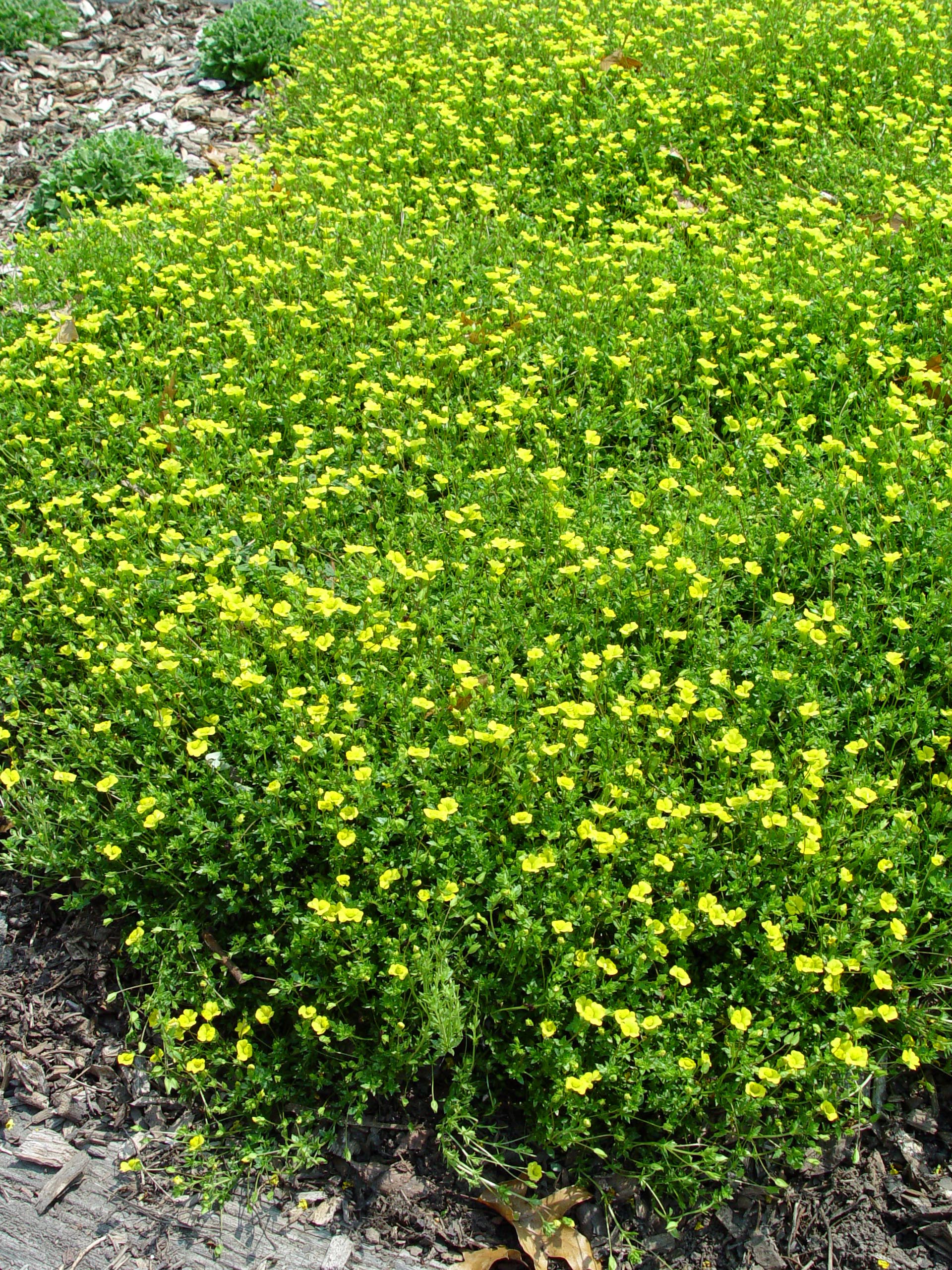
Mecardonia Gold Dust

* Common name: Mecardonia Gold Dust(R)

* Botanical name: Mecardonia

* What it is: A short, creeping annual flower that Proven Winners introduced to the U.S. market last summer. The little-leafed plants hug the ground at under 6 inches and bloom profusely all summer in bright gold. Rabbits don’t like them.

* Size: 4 to 6 inches tall, 12 to 15 inches apart.

* Where to use: Mass along the front of any sunny garden or along a sidewalk or driveway. Will trail out of a pot or hanging basket.

* Care: Plant mid May to early June. Keep damp the first few weeks, then water only in droughty conditions. Very heat- and drought-tough. At their best in mid-summer. Work compost and timed-release flower fertilizer into soil at planting, then add a liquid flower fertilizer monthly in season (for peak bloom). Yank and compost when frost kills them in fall.

* Great partner: Red marigolds or red celosia are good annual partners. Or use to add a colorful summer “skirt” to hollies, yews, boxwoods or junipers.



Comments


2 comments

  • Janice diana says:
    July 18, 2016 at 6:41 am

    I have t of the gold dust planters and 2 of them are still beautiful and yellow, the other 2 have turned black. They were all in basically the same spot. I am wondering if there is something I can do to bring them back?

  • George says:
    July 18, 2016 at 7:23 pm

    Once annuals turn black like that, they’re usually dead and gone. I’d be suspicious of disease or possibly soggy soil.

Leave a Reply

Click here to cancel reply.


George's Certifications
  • Home
  • Garden House-Calls
  • George's Talks & Trips
  • Disclosure

© 2017 George Weigel | Site designed and programmed by Pittsburgh Web Developer Andy Weigel using WordPress