

• Home
  • Contact
  • Site Map
George Weigel - Central PA Gardening
  • Landscape 1
  • Landscape 2
  • Landscape 3
  • Landscape 4
  • Garden House-Calls
  • George's Talks & Trips
  • Patriot-News/Pennlive Posts
  • Buy Helpful Info
  • Rent a Florida Villa

Navigation

  • Ramblings and Readlings Home
  • Storage Shed (Useful Past Columns)
  • About George
  • Sign Up for George's FREE E-Column
  • Plant Profiles
  • Timely Tips
  • George’s Handy Lists
  • George's Friends
  • Photo Galleries
  • Public Gardens Worth Seeing
  • Links and Resources
  • Support George’s Efforts


George’s “Pennsylvania Month-by-Month Gardening” helps you know when to do what in the landscape.

Read More | Order Now


Want George to help improve
your landscape?

Click Here


Need help in the yard?

Click Here


Has the info here been useful? Support George’s efforts by clicking below.


Looking for other ways to support George?

Click Here

Highland Gardens

George's Current Ramblings and Readlings

The Vegetables Are In

April 11th, 2017

I’m not bragging or anything, but I thought I’d let you know that 90 percent of my vegetable garden is already planted.
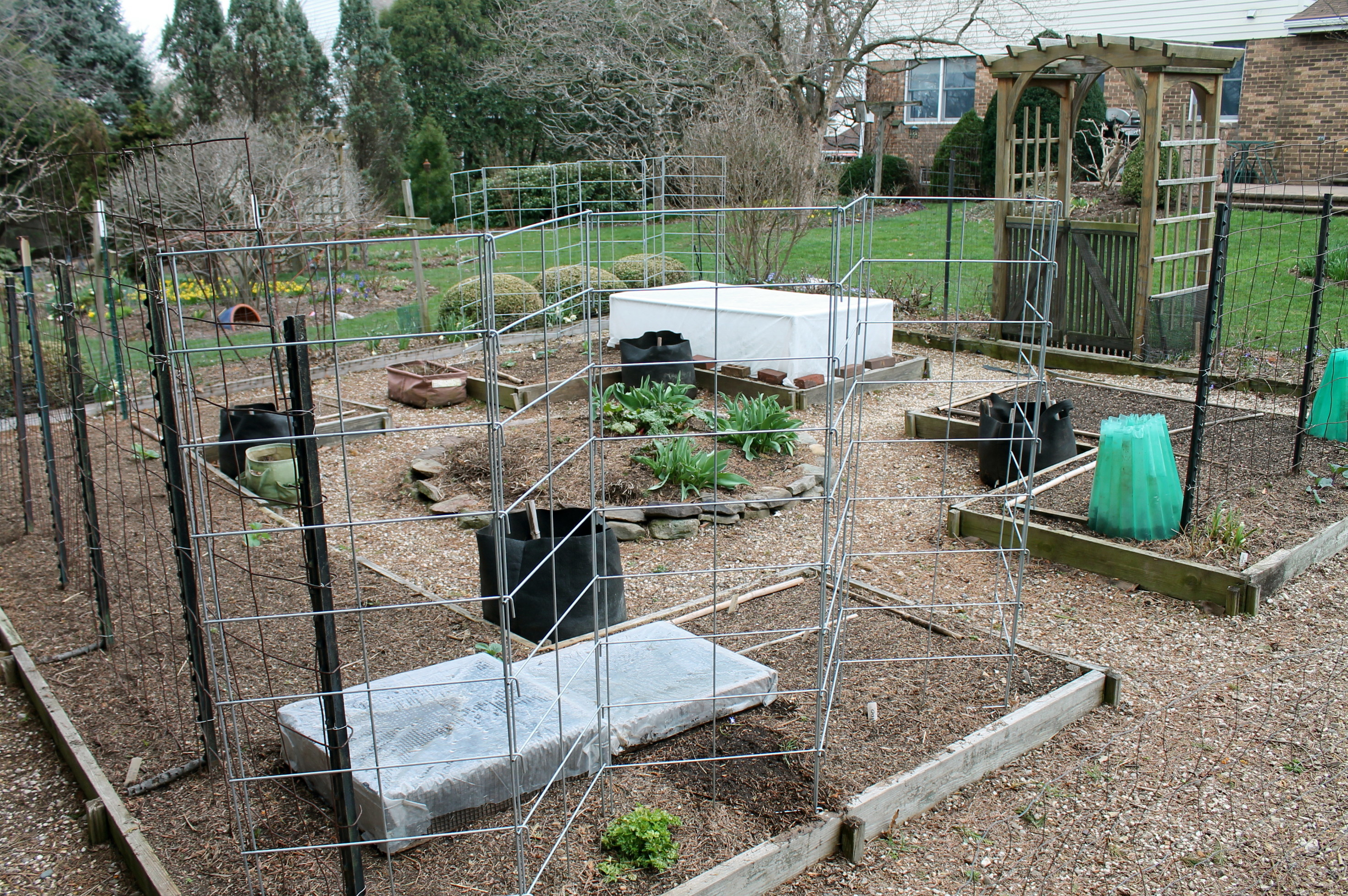
It might not look like much is going on yet in my gadget-filled garden, but most of it is planted.

It might not look like much is going on yet in my gadget-filled garden, but most of it is planted.

I don’t mention this to make any of you “later bloomers” feel bad but to illustrate how many crops can – and really should – go into the ground before the threat of frost ends.

Based on historical averages, which, granted, don’t mean a lot anymore, most of the Harrisburg area sees its last killing frost around the third week of April.

That average often surprises gardeners because they’ve been taught to plant by the all-time latest killing frost date and not just the average last one.

The official all-time-late spring killing frost for Harrisburg is May 11, which is why most gardeners wait until then to plant mainstream veggies like tomatoes, peppers and beans as well as most annual flowers.

Those in more northerly and outlying areas wait even longer since they’ve had frosts late into May already.

Waiting until the coast is historically clear of frost isn’t a bad idea when you’re talking tender plants that will die in a frost. Even losing your tomatoes some years after planting early can be enough to make the risk not worth taking.

But the kicker is that a wide range of vegetables not only tolerate frost, they prefer growing in cold weather and will do poorly in summer heat if you wait until after Mother’s Day to plant them.

That’s why I always plant in phases – starting with freeze-tolerant peas and onions as early as mid-March, adding other tough stuff in early April, then finishing off with the tender crops after Mother’s Day.

Read More »


A Fountain Garden to Behold

April 4th, 2017

Longwood Gardens is getting close to reopening its 5-acre flagship Main Fountain Garden, the one with the huge dancing, lighted plumes that’s been closed for a $90 million re-do the past 2 years.

Longwood's Main Fountain Garden is back into place and looking like this as it heads down the home stretch to the May 27 reopening.

Longwood’s Main Fountain Garden is back into place and looking like this as it heads down the home stretch to the May 27 reopening.

Prepare to be amazed… as if you’re not already by everything Longwood does.

Come May 27, the new Main Fountain Garden will go where no Fountain Garden has gone before.

The cutting-edge 3D software and state-of-the-art water-moving equipment will shoot water 175 feet in the air (35 feet higher than before), create jets that spin and twirl in a massive lighted water ballet set to music, and even produce flames that erupt on top of the water plumes.

“This is something you won’t be able to see any other place in the world,” Longwood Gardens CEO Paul Redman said at a press preview of the project last week.

I got to see the guts of this new technology during the preview, and what’s underneath and behind the scenes answers the question about why the project took 2 years and $90 million to do.

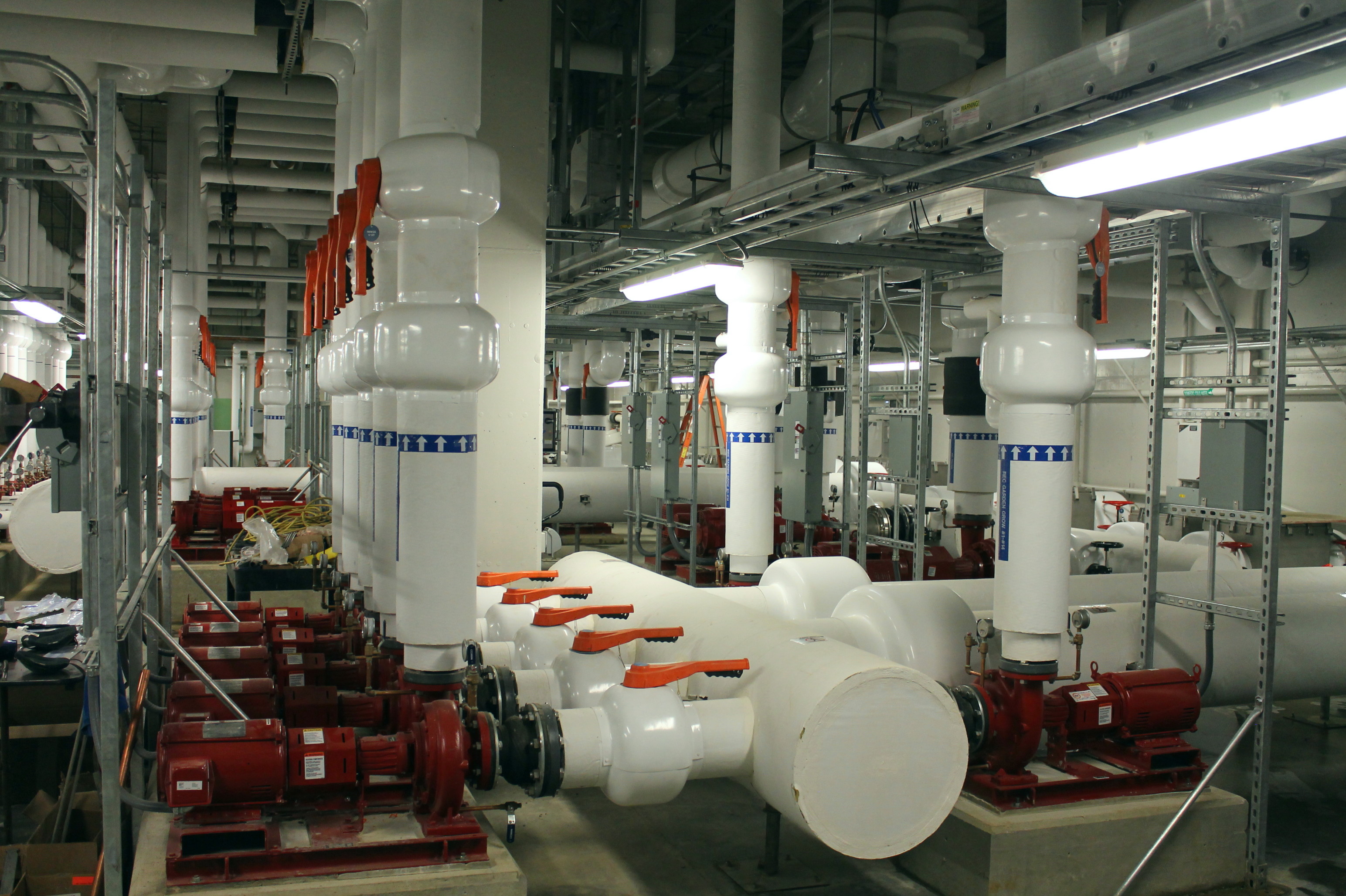
Some of the underground pumps that will make Longwood's fountain show work.

Some of the underground pumps that will make Longwood’s fountain show work.

There’s a whole water factory the size of two football fields buried under the fountains. Pumps and pipes and ductwork snake throughout 1,400 feet of tunnels.

The scope and power of this engineering crossword puzzle can move 700,000 gallons of water for a show and create a limitless array of light colors and water movements.

This is all in addition to 4,000 pieces of carved limestone stonework and columns that were moved, cleaned and restored – one by one – at an off-site masonry facility, and a new grotto that will feature an overhead eye (an oculus) that drops a circular curtain of water into a basin below.

The brain of the renovated garden is a computer work station where “fountain choreographers” can design shows on a screen, watch it in virtual action, then transfer a finished idea to the 1,719 water jets that make it happen in real life.

Read More »


10 Frankenplants I’d Like to See

March 28th, 2017

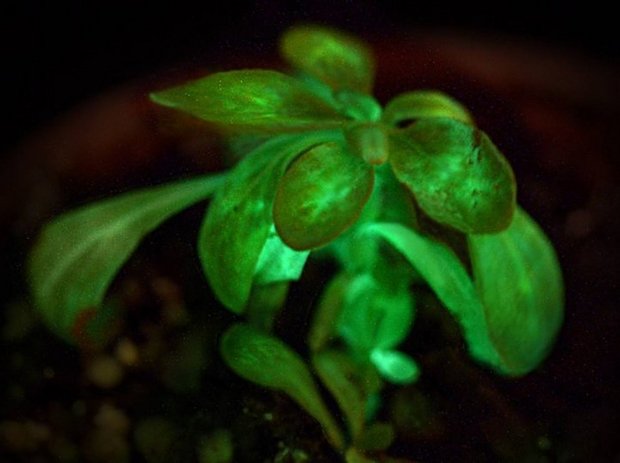
Science is smart enough that we now have spinach that can sniff out explosives, corn plants that kill attacking earworms, and tobacco plants that glow in the dark thanks to inserted genes from glowing marine bacteria.

Starlight Avatar, the glowing nicotiana plant. Credit: Bioglow LLC

Starlight Avatar, the glowing nicotiana plant.
Credit: Bioglow LLC

I kid you not.

But I also wonder that if those things are possible, what else might genetic engineers have up their sleeves?

Can they insert genes from anything into anything else?

Is nothing impossible?

And more importantly, are bioengineers taking requests?

If so, here are 10 Frankenplants I’d be curious to see…

1.) Some sort of creeping plant with bloodhound genes that can be trained to sniff out and destroy weeds at night, then crawl back into its assigned space in the morning.

2.) Roses with chameleon genes. When a rose senses Japanese beetles are on the way, it morphs into a cactus. Then when the coast is clear, it changes back to a rose.

3.) Trees engineered with pause buttons. That way when they reach the ideal height, we hit the button and keep them there as long as we like.

Read More »


Snow First Would’ve Been Nice

March 19th, 2017

Well, there went the ridiculously early spring in a hurry.

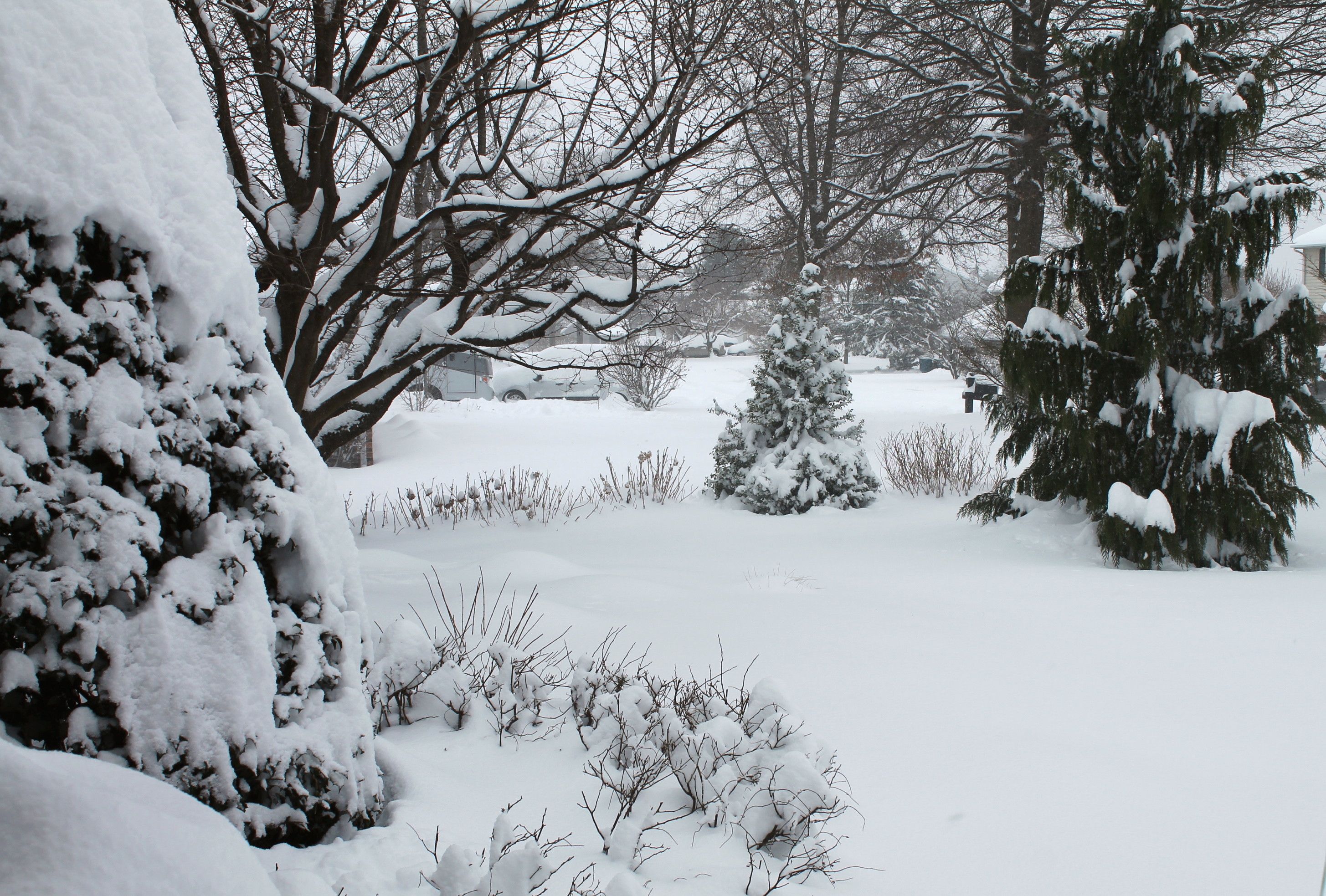
Plants? What plants?

Plants? What plants?

Just when you (and our landscape plants) thought spring was happening way ahead of time this year, along came a string of sub-20-degree nights and a very big dumping of snow to remind us that the calendar still says winter.

I’m not so much concerned about the damage from my 15 inches of snow as I am the 17-degree nights we had last weekend — before Storm Stella’s arrival.

Yeah, lots of snow can snap tree limbs and splay apart evergreens, but it also is good at insulating the crowns and buds of low plants. A white blanket of snow keeps temperatures around 32 degrees, which is far better than having 17-degree winds nipping at our bare buds and crowns.

If we were going to get a foot or more of snow, it would have been better to get it before the bud-killing cold. But since we can’t order the weather or do anything about it, all that’s left is to wait for the snow to melt and pick up the pieces later.

Before the snow came, I noticed that most of the prematurely opened leaves on my roses, hydrangeas and elderberries had browned. Those leaves most likely are toast already, but the good news is that most woody plants have dormant buds that should push out new leaves when the “real” spring occurs.

The bad news, though, is that plants that pushed flower buds along too far after the sustained warmth of February and early March probably won’t flower this year. I’m particularly concerned about hydrangea buds, which got zapped last year when temperatures nosedived into the low 20s the third week of April and which suffered in the polar vortexes of the two Januaries before that.

Read More »


Weird Weather and the Other Meaning of St. Paddy’s Day

March 14th, 2017

To most people, this Friday’s St. Patrick’s Day is a time to celebrate Irish heritage, usually with shamrocks, green clothing and green beer.

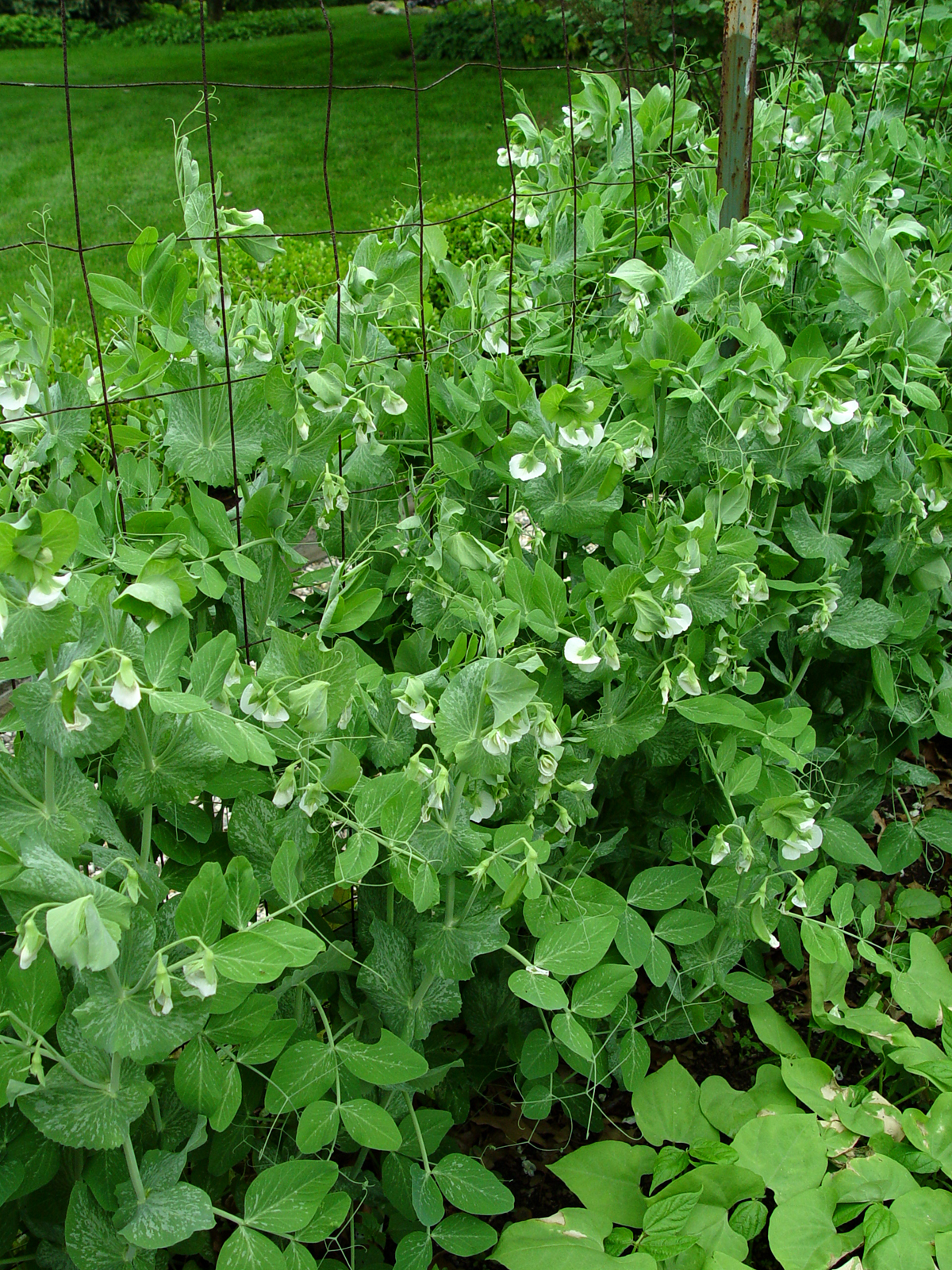
St. Patty's Day is the traditional pea-planting date.

St. Patty’s Day is the traditional pea-planting date.

But to gardeners, the occasion means green of another sort – time to plant the peas.

That’s not going to happen this year since the prevailing color is now white. When gardens aren’t buried under a foot or so of snow, lots of vegetable gardeners use the March 17 St. Paddy’s milestone as the semi-official start of the gardening season. They know peas are about as cold-hardy as any edible, capable of sprouting around here even in the sometimes-frozen soil of late winter.

This year, though, who knows what’s going to happen? We’ve already had April in February, when buds and shoots progressed to the point of opening way too soon by the time winter returned with a snowy vengeance.

Having magnolias in bloom and leaves sprouting on the hydrangeas the first week of March might be good therapy for winter-haters, but it’s risky behavior for plants. Those nights down into the teens last weekend look like they spelled doom for at least some buds and plant crowns. Too bad the insulation from the snow didn’t happen before the cold nights punished the bare leaves, buds and crowns.

Most of our winter-hardy plants are pretty good about protecting themselves in winter.

Perennials die back to the ground, bulbs keep their flower-producing shoots underground until the time is right, and tree and shrub buds stay tight and dormant until longer days and warmer temperatures trigger growth.

Most plants are “smart” enough not to start growing when we get a warm spell for a few days here and there in winter.

But what happened this year is that we got sustained warmth that went on for weeks – much of the time into the 60s and 70s and even close 80 in late February.

That was enough to trick plants into developing to where they’d normally be in late March. Even the grass turned green and started inching up as February handed off to March.

Read More »


« Older Ramblings and Readlings Newer Ramblings and Readlings »

George's Certifications
  • Home
  • Garden House-Calls
  • George's Talks & Trips
  • Disclosure

© 2017 George Weigel | Site designed and programmed by Pittsburgh Web Developer Andy Weigel using WordPress